
The state of a home doesn’t get much thought when we’re stressed, but the two are closely connected. How a space looks, feels, and functions can shape mood and energy levels long before anything else does, and small, practical changes to that environment often matter more than they’re given credit for.
The Impact Of Clutter And Organisation On Stress
Clutter is more than a visual annoyance. A 2025 study published in the Journal of Environmental Psychology found that people who saw their homes as cluttered reported lower wellbeing and life satisfaction, along with more negative feelings day to day. However, tackling it doesn’t require a full overhaul: clearing a single surface, sorting through one drawer, or setting up a proper home for frequently used items can noticeably reduce that background sense of overwhelm. Consistency tends to matter more than intensity here, and a five-minute tidy each evening does more for a calm home than an occasional weekend blitz.
Bringing Nature Indoors For Calm And Balance
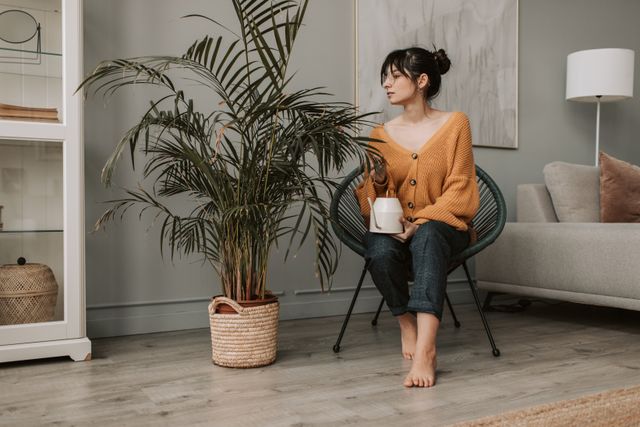
Natural elements have a similarly grounding effect. The Royal Horticultural Society notes that houseplants are associated with improved wellbeing and productivity, alongside their role in softening a room visually. Wood tones, natural light, and greenery all contribute to a calmer atmosphere, and none of it needs to be complicated: a few well-placed plants, an open blind in the morning, or swapping a synthetic finish for a wooden one can shift how a room feels almost immediately.
Fitted Wardrobes As A Practical Solution
Storage is far more relevant than it might seem. Fitted wardrobes reduce the everyday visual noise of clothes, shoes, and odds and ends left out in the open, which helps a bedroom feel more like a place to rest than a place with unfinished business. Choosing a natural timber-effect fitted wardrobe finish also ties the storage into the room’s overall calm instead of making it stand out, keeping the space feeling considered rather than just tidy.
Daily Habits For A Healthier Home Environment
Small, regular habits go further than occasional deep cleans. A quick tidy at the end of the day, letting in fresh air, and paying attention to lighting, whether that’s swapping harsh bulbs for warmer ones or simply opening curtains earlier, all add up. Personal touches, from photos to a favourite blanket, matter too; a home that feels yours tends to feel calmer than one that’s simply neat. None of this needs to be time-consuming because the point is building small routines that stick, rather than aiming for an unrealistic standard of tidiness.
Invest In Your Home, Invest In Your Wellbeing
A home doesn’t need to be perfect to support wellbeing, just considered. Prioritising natural materials and everyday organisation is a modest investment that tends to pay off in a calmer, more liveable space.