
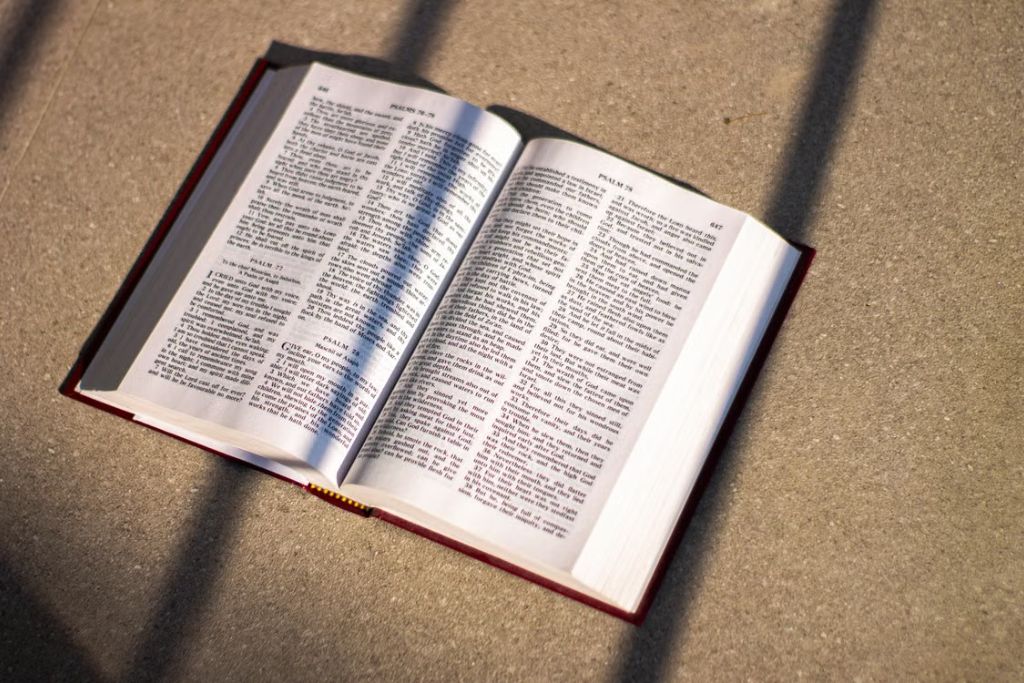
Is meditation a sin? No, meditation itself is not a sin. The Bible speaks positively about meditation, and Christian traditions include forms of prayerful meditation.
The real question is what kind of meditation you are doing, what you are focusing on, and what spiritual ideas come with the practice. A quiet breathing exercise is one thing. Repeating a prayer or reflecting on Scripture is another. A practice that asks you to worship a deity or accept beliefs that conflict with your faith is something else again.
I have practiced meditation since 2000 and have explored more than 70 techniques from several contemplative traditions. That experience has taught me one thing very clearly: “meditation” is a broad word. Treating every form of meditation as the same practice creates needless confusion.
TL;DR:
Meditation is not condemned in the Bible. Biblical meditation is encouraged in passages such as Joshua 1:8 and Psalm 1:2. For a Christian, the safest question is not “Is all meditation sinful?” but “What am I practicing, what am I focusing on, and does this fit my faith?”
What Does the Bible Say About Meditation?
The Bible does not present meditation as sinful.
Joshua 1:8 tells Joshua to meditate on the Book of the Law day and night. Psalm 1:2 describes the blessed person as one who meditates on God’s law day and night. The Hebrew term in Psalm 1:2 carries the sense of quiet recitation, reflection, or deep study. So a Christian cannot say that meditation, as a category, is forbidden by Scripture. Scripture contains meditation.
Christian tradition makes the same point from another angle. The Catechism of the Catholic Church describes meditation as a form of Christian prayer and says there are many methods. It points Christians to Scripture, the Gospels, sacred images, spiritual writings, and prayerful reflection on the life of Christ. This gives us a useful starting point: meditation can fit naturally inside Christian life. I explore these practices further in my guide to contemplative prayer and Christian meditation.
Why Do Some Christians Worry About Meditation?
The concern usually comes from association. Many modern meditation methods reached Western audiences through Buddhism, Yoga, Hindu traditions, New Age movements, or secular mindfulness programs. A Christian may hear words such as mantra, chakra, nonduality, enlightenment, or empty mind and wonder whether practicing meditation means accepting the religion connected with those words.
That concern deserves respect. I grew up in a mildly religious Christian household, then spent much of my adult life studying and practicing meditation across several traditions. So I know this question can feel personal. If your faith matters deeply to you, you do not want to adopt a practice that quietly asks you to believe something you reject.
Some meditation methods do carry religious meaning. A mantra can be a sacred name. A visualization can involve a deity. A nondual practice can rest on a view of God, self, and reality that a Christian may reject. Yet it does not follow that every meditation technique carries the same theology.
Mindfulness meditation, for example, can simply mean paying attention to breathing, thoughts, feelings, and sensations as they arise. That is how the American Psychological Association defines the practice. Paying attention to your breath is an act of attention. The theology comes from the meaning, intention, and beliefs you place around the practice.
Meditation Is a Family of Practices
This is where much of the online discussion becomes too simplistic. I often see meditation divided into two boxes: Christian meditation fills the mind with God, and Eastern meditation empties the mind.
I have trained across Zen Buddhism, Advaita Vedanta, Raja Yoga, and Mantra Yoga, and I have experimented with more than 70 meditation methods. Across those traditions, I have encountered practices based on concentration, observation, self-inquiry, mantra, visualization, stillness, and other methods.
They are not all attempts to make the mind blank.
This matters for Christians who want a clear answer. You cannot judge a practice from the label “meditation” alone. You need to look at what the practice actually asks you to do. I explain these differences in more detail in my guide to the 23 types of meditation.
Is Mindfulness Meditation a Sin?
Mindfulness, by itself, is not a statement of faith. In its basic form, mindfulness asks you to notice present experience with attention. You might notice the breath, sounds, physical sensations, thoughts, or emotions. The APA describes mindfulness in terms of awareness of internal states and surroundings, with less automatic reaction to what appears.
A Christian can use that kind of attention without adopting Buddhist doctrine.
For example, you can sit quietly, notice your breathing for a minute, then place your attention on a Psalm. Each time the mind wanders, return to the verse. At that point the attentional skill supports Christian meditation.
If a mindfulness course contains spiritual claims that conflict with your beliefs, you can leave those claims aside or choose a different method. Meditation is broad enough that you do not need to force yourself into a practice that troubles your conscience.
Are Mantras a Sin?
A mantra is a word, phrase, or sound repeated during meditation. Whether a Christian feels comfortable using one depends on the mantra and what it means.
Some mantras come from Hindu or Buddhist religious traditions and may invoke a deity, teacher, or sacred principle. A Christian who does not want to participate in that religious meaning can simply choose another focus.
Repetition itself is not foreign to Christian contemplative life. Christian prayer traditions have long used repeated prayers, sacred phrases, Psalms, and short invocations.
So the useful question is not “Is repetition sinful?”
Ask: “What am I repeating, what does it mean, and what am I doing with it?”
If the content conflicts with your faith, do not use it. If the phrase is a Bible verse, a prayer, or the name of Jesus, you are dealing with a very different practice.
Can Christians Practice Meditation From Buddhist or Yogic Traditions?
Here I think discernment matters more than labels.
A meditation method can contain several layers. One layer may be a simple attentional skill. Another may be a philosophy. Another may be a devotional act.
Those layers can sometimes be separated. At other times they are closely joined.
Watching the breath is a good example of a method that can be practiced in a very simple way. It does not require you to believe in karma, reincarnation, chakras, or any other doctrine.
A deity visualization is different. The religious meaning is part of the practice itself.
My teaching has always been non-sectarian. I draw practical methods from several wisdom traditions without asking students to adopt my beliefs or join a religion. That approach comes directly from decades of comparative practice and study.
If you are Christian, I would use the same principle in reverse: keep what fits your faith, leave what does not.
Three Questions to Ask Before You Meditate
If you are unsure about a meditation method, ask these questions.
1. What am I focusing on?
Are you reflecting on Scripture, watching the breath, repeating a sacred phrase, visualizing something, observing thoughts, or invoking a spiritual figure?
The object of meditation tells you a lot about the practice.
2. What beliefs does the practice ask me to accept?
Some methods come with no belief requirement. Others are tied closely to a religious teaching.
Read the instructions carefully. If the method asks you to affirm something that clashes with your Christian beliefs, you have your answer.
3. What place does this practice have in my spiritual life?
Is meditation helping you become more prayerful, attentive, compassionate, and faithful to your values? Or is it taking the place of the spiritual commitments that matter most to you?
A technique should serve your deepest values, not pull you away from them.
If you still feel conflicted, speak with a pastor, priest, spiritual director, or trusted teacher who knows both your tradition and the meditation method you are considering.
A Simple Christian Meditation You Can Try
If you want to meditate without worrying about foreign religious language, start with Scripture.
Choose a short passage. Psalm 1:2, Psalm 23, the Beatitudes, or a short saying of Jesus can work well.
Sit comfortably with your back upright. Let your body become still.
Take a few slow breaths. Do not try to make the mind blank. Let the breathing settle you.
Read the verse slowly.
Then close your eyes and keep the verse in your attention. Reflect on its meaning. Notice which words speak to you.
When the mind wanders, return to the verse.
At the end, turn your reflection into prayer.
You can do this for five minutes. That is enough to begin.
This kind of practice stays close to the biblical sense of meditation: returning to sacred teaching, reflecting on it, and letting it shape how you live. Joshua 1:8 and Psalm 1:2 connect meditation with remembering and living God’s instruction.
Did Jesus Meditate?
The Gospels do not describe Jesus with the modern label “meditator.”
They do show him seeking solitude and prayer. So it is fair to say that Jesus practiced silence, prayer, reflection, and withdrawal from ordinary activity. It is less accurate to place a modern meditation system onto those passages.
If you are Christian, you do not need to prove that Jesus practiced mindfulness or breath meditation to justify sitting quietly.
Christianity already has its own contemplative heritage.
So, Is Meditation Against Christianity?
No. Meditation is not against Christianity as a category. The Bible itself encourages meditation, and Christian prayer traditions have practiced it for centuries. Modern mindfulness can be a simple exercise in attention. Some meditation methods, though, include religious beliefs or practices that may conflict with Christian teachings. What matters is the type of meditation you practice, its purpose, and whether it aligns with your faith. You can choose a method that respects your Christian beliefs without giving up the benefits of meditation.
For me, this is the clearest way to approach the subject. I have spent decades studying and practicing meditation across traditions, and I do not see meditation as one fixed spiritual practice. The method you choose, the meaning you give it, and the way you use it matter far more than the label.
Frequently Asked Questions
Is it a sin to meditate to clear your mind?
No. Sitting quietly and letting your thoughts settle is not inherently sinful. For Christians, what matters is the meditation technique, its purpose, and whether it agrees with their faith.
Can Christians practice meditation every day?
Yes. Christians can meditate daily by reflecting on Bible verses, practicing quiet prayer, or focusing on their breathing. These practices can support a more peaceful and attentive mind.
Does meditation open you up to evil spirits?
There is no evidence that ordinary breathing or mindfulness meditation attracts evil spirits. Some Christians avoid practices involving unfamiliar spiritual beliefs or rituals to remain faithful to their convictions.