

We all want to live longer. The harder question is how to eat in a way that’s not just healthy, but that you can actually stick with for the next few decades. Longevity isn’t built on morning matchas and green juices alone; nor does it hinge upon severe restriction. Instead, the quest to live healthier for longer results from small habits you can repeat on autopilot. That’s exactly why the DASH diet is one of the most favored eating patterns by health experts. It’s flexible, low drama, and backed by tons of research showing it can protect everything from your heart to your brain as you age.
Unfamiliar with the protocol? Keep reading to discover what the DASH diet entails and its key benefits.
What Is The Dash Diet?
Formally known as Dietary Approaches to Stop Hypertension, the DASH diet is among the most evidence-based eating patterns to lower hypertension (or high blood pressure). But you don’t need this formal diagnosis to benefit from the dietary plan. “It is also associated with a lower risk of heart disease, stroke, type 2 diabetes, and kidney stones while supporting healthy cholesterol, blood sugar, and weight management,” says Michelle Routhenstein, MS, RD, CDCES, CDN, preventive cardiology dietitian at Entirely Nourished.
Heart and metabolic perks aside, the DASH diet also shows promise to bolster brain health as you age. Per a recent study published in JAMA Neurology, adults in middle age who followed the DASH diet experienced a 41 percent lower risk of cognitive decline compared to non-DASH protocols. According to Routhenstein, the brain health benefits are likely a result of vascular protection and metabolic perks that ultimately support the brain.
What To Eat (And Avoid) On The Dash Diet

The DASH diet aligns pretty neatly with general advice for any healthy eating plan. It relies less on restriction and more on consuming a variety of whole, nutrient-rich foods (and leaving less healthy fare by the wayside).
Foods to prioritize on the DASH diet include:
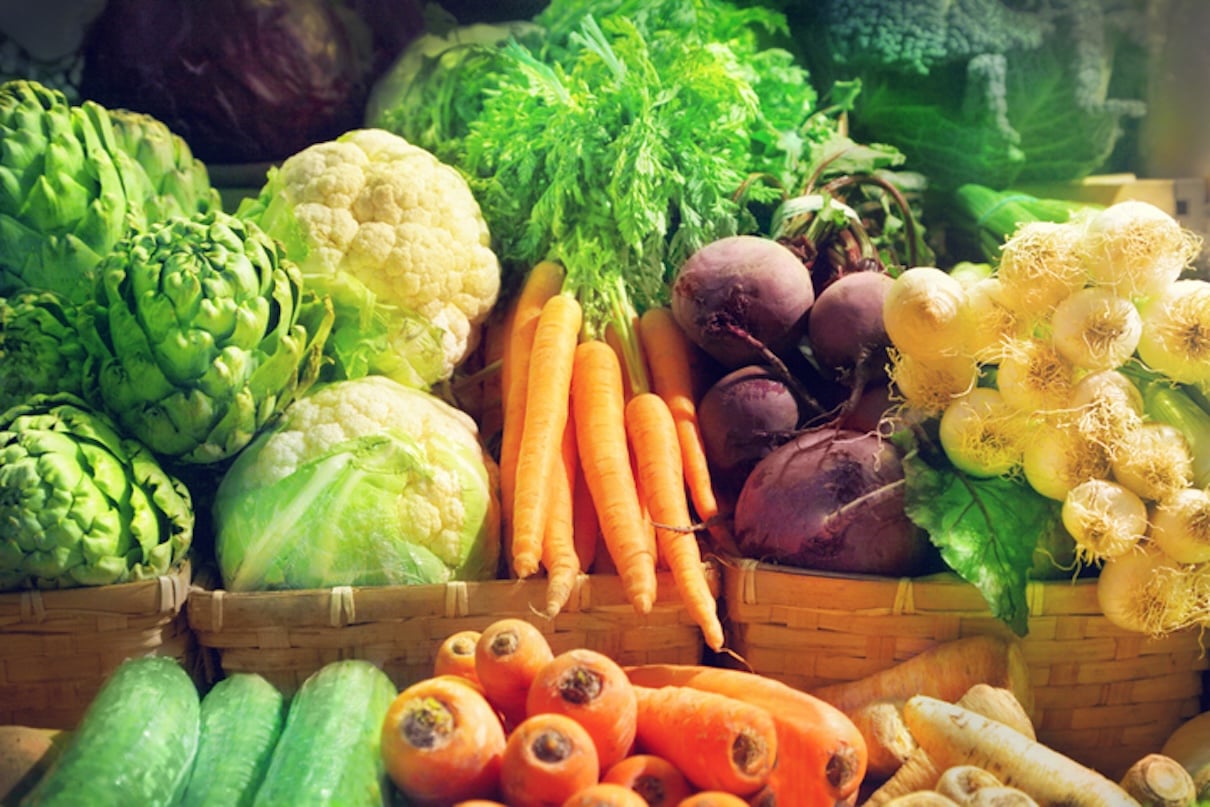
- Fruits and vegetables
- Whole grains
- Low-fat or fat-free dairy
- Poultry
- Fish
- Beans
- Nuts and seeds
These foods are richer in nutrients associated with lower blood pressure—including protein, fiber, potassium, magnesium, and calcium.
The foods that you should limit or avoid are linked to high blood pressure and elevated levels of LDL cholesterol (aka the ‘bad’ kind). They include:
- Full-fat dairy
- Fatty meats
- Sugary beverages
- Sweets
- Sodium in excess of 2,300 mg
Additional Benefits Of The Dash Diet
On top of being associated with lower mortality and healthy longevity, the DASH diet shines since it’s flexible and easy to adopt. “The DASH principles can be easily applied to different cultural preferences, budgets, and lifestyles, focusing not only on what to limit but also on meeting nutrient targets for what you need to add to your diet for optimal vascular health,” says Routhenstein. “You can use a variety of foods to meet these targets based on availability, food preferences, and food allergies or intolerances to make it applicable to you.”
Its flexibility and lack of friction are important since it makes the diet highly accessible and super sustainable.
Should You Try The Dash Diet Yourself?
Ideal candidates for the DASH diet include those with high (or borderline high) blood pressure, a family history of cardiovascular disease, type 2 diabetes, high cholesterol, and kidney disease, says Routhenstein. However, you don’t need to be in any of these categories to try the DASH diet for yourself. “Most people can benefit from the DASH diet because it supports overall cardiometabolic health,” not to mention brain health, she says.
Since heart disease is the leading cause of death in the U.S.—and dementia adversely affects the quality and length of life—interventions like the DASH diet can meaningfully reduce your risk to positively impact aging.
Again, one of the best parts is that you don’t need to bend over backwards to follow the protocol. It doesn’t involve any exotic foods or obscure ingredients. You can build your plate to suit your palate. Simply stick to whole foods, emphasize plants, and rely on lean protein. (Plus, you already know that you should limit saturated fat, added sugar, and excess sodium no matter what your health status looks like.)
The Takeaway
All said, the DASH diet is one of the most accessible eating patterns linked to healthy aging and minimizing disease risk, making it one to watch (and potentially adopt) for anyone striving to boost longevity outcomes.
To get started, Routhstein suggests focusing on a few achievable modifications at a time—perhaps a few extra servings of fruit or veggies each day, nixing your nightly ice cream habit, or swapping sugary soda for sparkling water—and letting them become natural before making more changes. “Long-term consistency, not perfection, is what helps create lasting improvements,” Routhenstein concludes.